September 10, 2026
Your roof does much more than shield your home from rain and snow. It helps regulate indoor temperatures, protects structural components from moisture, and contributes to the property's overall value. Because the roof is exposed to the elements year after year, the quality of the materials used during installation can have a major effect on how long it remains dependable.
Choosing roofing materials based solely on the lowest upfront price can lead to higher expenses over time. Lower-quality products may wear out sooner, require more frequent repairs, or perform poorly under demanding weather conditions. On the other hand, investing in durable materials can provide better protection and potentially extend the period between major replacements.
Working with a qualified roofer can also help homeowners make informed decisions about materials, installation methods, and maintenance. Understanding how material quality affects durability, energy efficiency, and long-term costs can help you make a roofing investment that serves your home for decades.
What Are the Long-Term Benefits of Investing in High-Quality Roofing Materials?
One of the biggest advantages of quality roofing materials is their ability to withstand years of exposure to weather. Roofing products must deal with sunlight, temperature changes, precipitation, wind, and, in some regions, ice and heavy snow. Materials designed for durability are generally better equipped to handle these conditions without premature deterioration.
The expected lifespan of a roof varies significantly based on the materials used. According to RubyHome, the average roof lasts between 20 and 50 years, depending on the type of roof and the quality of the materials. This wide range demonstrates why material selection can have such a meaningful effect on the long-term value of a roofing project.
Quality materials may also reduce the frequency of repairs. While no roofing system is completely maintenance-free, durable shingles, underlayment, flashing, and ventilation components can help minimize problems caused by weather and normal aging. Fewer repairs can translate into lower maintenance costs throughout the roof's service life.
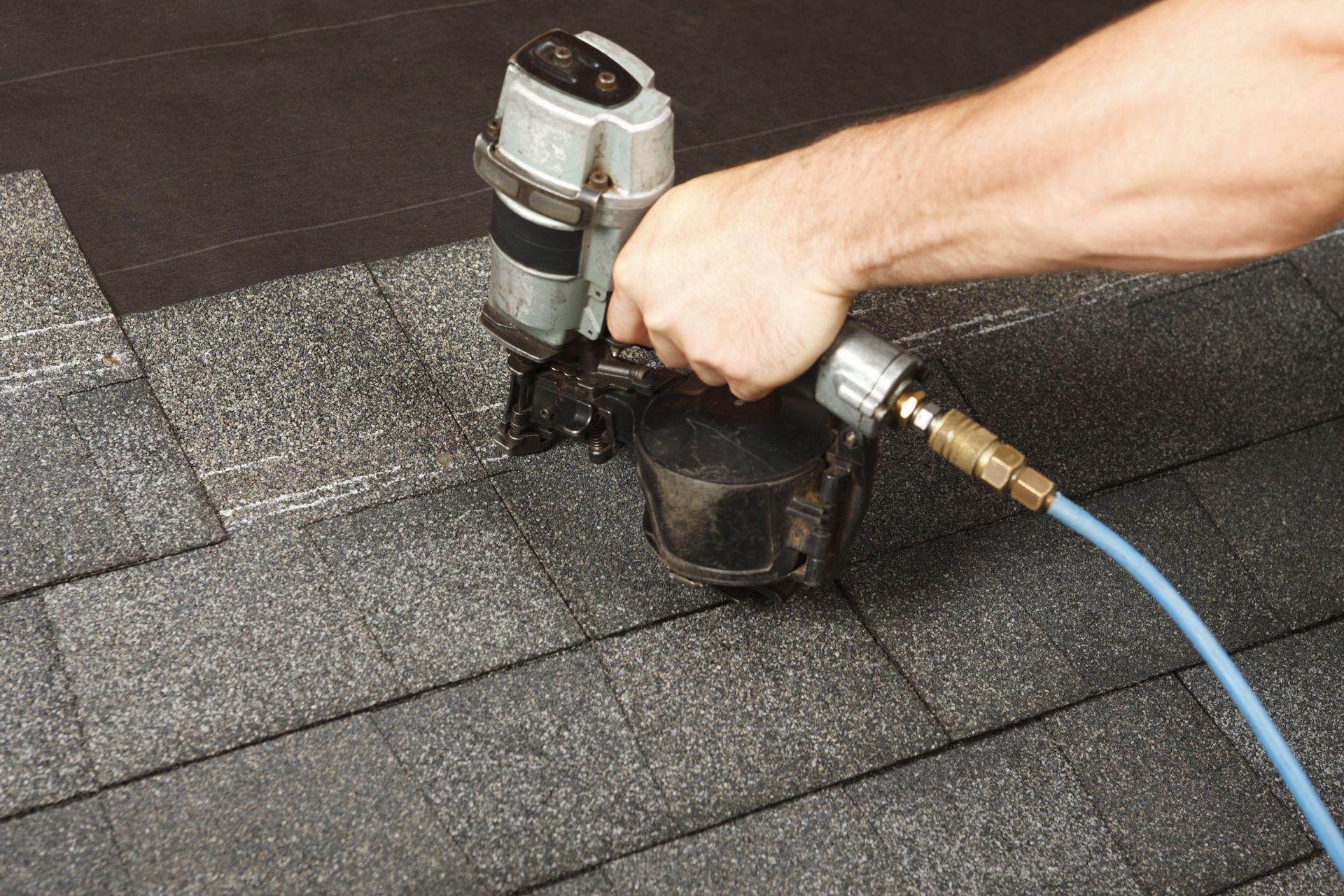
Homeowners should also consider installation quality when evaluating materials. Even premium products may not perform as intended if they are installed incorrectly. A knowledgeable roofer can follow manufacturer specifications and identify supporting components that need to be upgraded to create a complete roofing system.
How Does a Roofer Help in Selecting the Best Materials for Your Climate?
Climate is one of the most important considerations when choosing roofing materials. A product that performs well in a mild environment may not be the best choice for a home that regularly experiences severe storms, high winds, intense sunlight, or freezing temperatures.
A local roofer can evaluate common weather conditions in your area and recommend materials suited to those demands. For example, homeowners in regions with frequent hail may want impact-resistant products, while properties in areas with strong sunlight may benefit from roofing materials designed to withstand prolonged ultraviolet exposure.
Moisture is another important consideration. Roofing systems must direct water away from the structure while preventing moisture from entering vulnerable areas. Quality underlayment, flashing, ventilation, and sealants can work alongside the primary roofing material to provide additional protection.
Homeowners should also consider the roof's slope and design. Certain materials are better suited to particular roof configurations. A roofer can evaluate these characteristics and explain how different products may affect durability, appearance, maintenance, and cost.
Instead of choosing a material simply because it has a long advertised lifespan, homeowners should look at how well that product matches their specific property. The right material for one house may not necessarily be the right choice for another.
What Are the Latest Trends in Roofing Materials That Enhance Durability?
Roofing technology continues to evolve, giving homeowners more options than traditional asphalt shingles. Manufacturers are developing products that focus on greater resistance to weather, improved energy performance, and longer service lives.
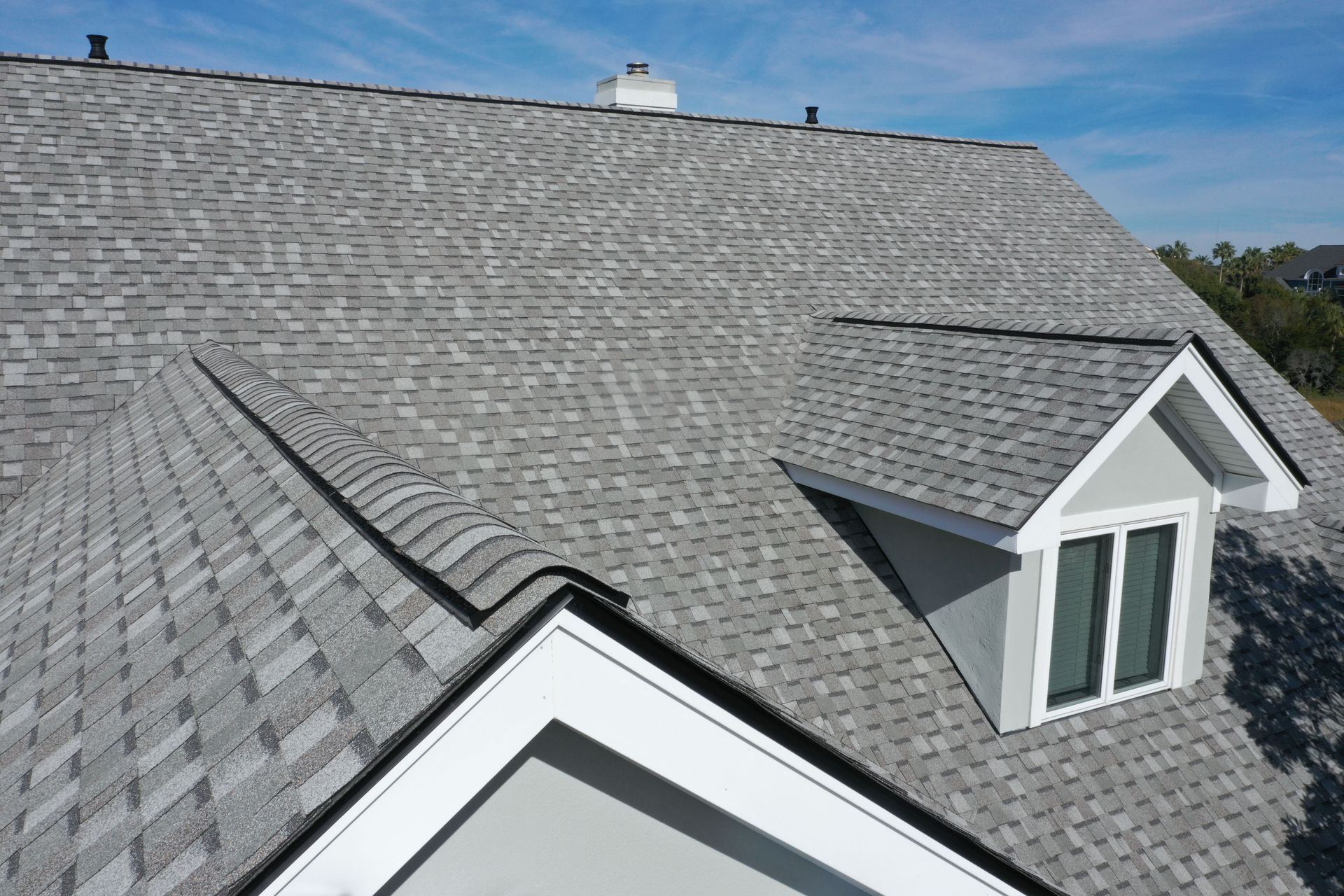
Architectural asphalt shingles are one example. Compared with basic three-tab shingles, architectural products generally offer a more dimensional appearance and can provide improved durability. Homeowners can also consider metal roofing, which is available in a variety of styles and finishes and can offer a long service life when properly installed and maintained.
Synthetic roofing materials are another developing option. Some products are designed to replicate the appearance of slate or wood while offering reduced weight and resistance to certain types of damage. These materials can provide homeowners with additional choices when balancing aesthetics and durability.
Cool roofing materials are also receiving attention because of their potential energy benefits. Certain reflective surfaces are designed to absorb less solar heat, which can help reduce heat transfer into the home during warmer months.
A roofer familiar with current products can explain which innovations are appropriate for your property. However, newer does not automatically mean better. Homeowners should consider manufacturer specifications, expected lifespan, warranties, maintenance requirements, and local climate before making a decision.
How Often Should a Roofer Inspect and Maintain Different Types of Roofing Materials?
Regular inspections can help identify developing problems before they become expensive repairs. The appropriate maintenance schedule depends on the roof's age, material, design, weather exposure, and overall condition.
For many homeowners, an annual inspection is a useful starting point. It can also be beneficial to have the roof evaluated after severe weather, particularly following high winds, hail, or heavy storms. Older roofs may require closer monitoring as materials approach the end of their expected service life.
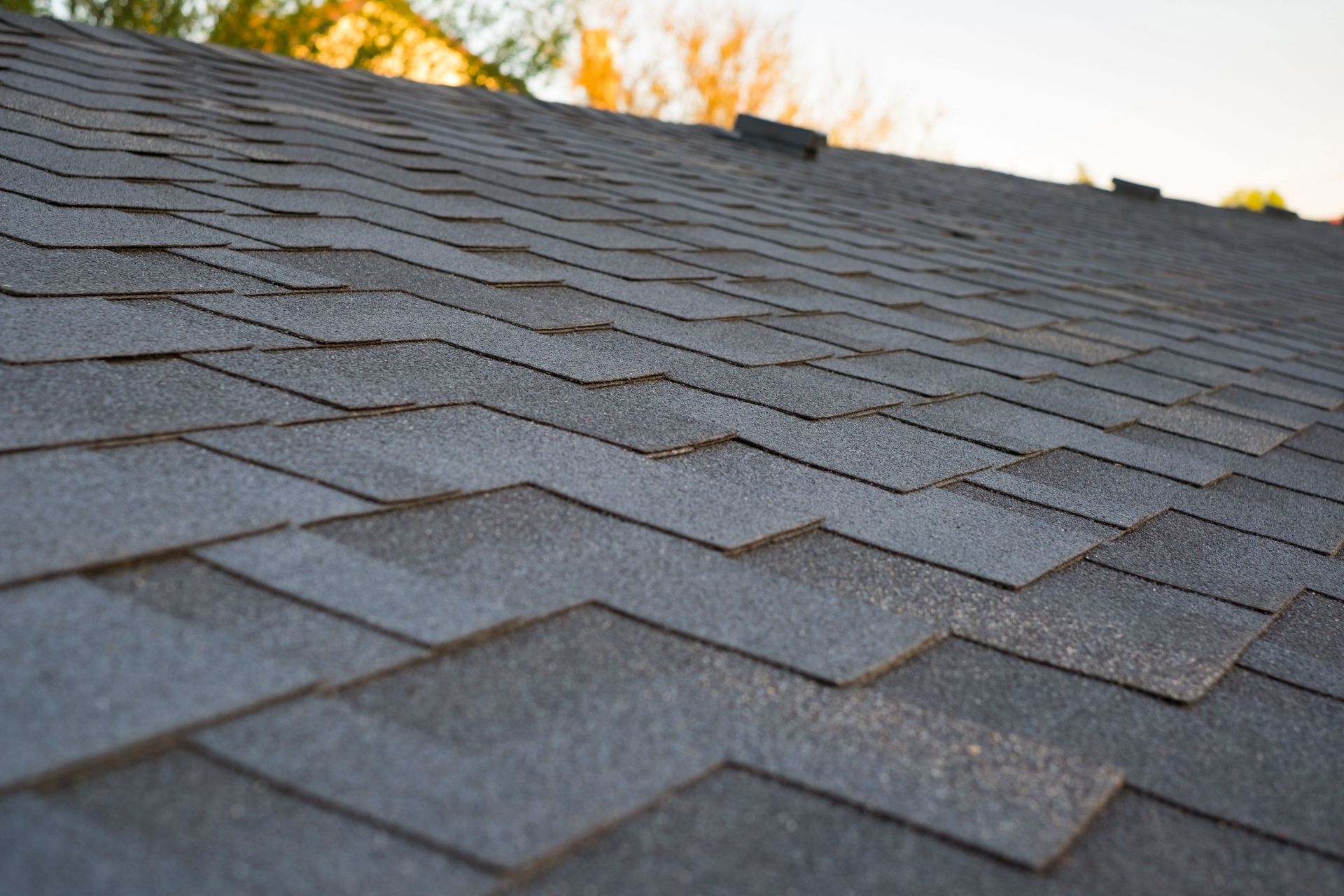
Maintenance needs also vary by material. Asphalt shingles should be checked for missing, cracked, curling, or deteriorating shingles. Metal roofs should be inspected for damaged panels, loose fasteners, corrosion, and issues around penetrations. Other roofing systems may have their own maintenance requirements.
A qualified roofer can also examine flashing around chimneys, vents, skylights, and other openings. These areas can become vulnerable to leaks even when the primary roofing material appears to be in good condition.
Keeping gutters and drainage systems clear is another important part of roof maintenance. Water that cannot drain properly may accumulate around roofing components and increase the risk of moisture damage. Routine maintenance helps preserve both the roof covering and the components supporting it.
What Impact Do Quality Roofing Materials Have on Energy Efficiency?
Roofing materials can influence how much heat enters or leaves your home. During summer, a roof that absorbs substantial solar radiation can contribute to higher indoor temperatures and place additional demand on air conditioning. During winter, inadequate insulation and ventilation can contribute to heat loss.
Material quality is only one part of the equation, but selecting appropriate roofing products can complement a home's insulation and ventilation systems. Reflective roofing materials, for example, may reduce heat absorption in certain climates.
Ventilation is equally important. Properly designed attic ventilation can help regulate temperature and moisture levels, protecting roofing materials while supporting the overall performance of the home. A roofer can evaluate ventilation alongside the roofing system rather than treating the roof covering as an isolated component.
Homeowners should also look beyond the material itself when evaluating energy performance. Underlayment, insulation, ventilation, roof color, attic conditions, and installation quality can all affect how efficiently a roofing system performs.
Build a Longer-Lasting Roofing System
Material quality plays a central role in determining how long a roof can protect your home. Durable products can withstand weather exposure, reduce maintenance demands, and potentially delay the need for a costly replacement. However, choosing the right material requires more than comparing product prices or advertised lifespans.
Climate, roof design, installation quality, ventilation, maintenance, and material characteristics all work together to determine performance. Consulting a knowledgeable
roofer can help homeowners evaluate these factors and select products that fit their property's specific needs.
Ultimately, a roof should be viewed as a long-term investment rather than simply an immediate home improvement expense. By prioritizing quality materials and proper care, homeowners can build a roofing system that provides dependable protection, supports energy efficiency, and delivers value for many years. If you need a roof, reach out to the team at Empire Roofing & More today!